Peer-Reviewed Science

Research &
Publications

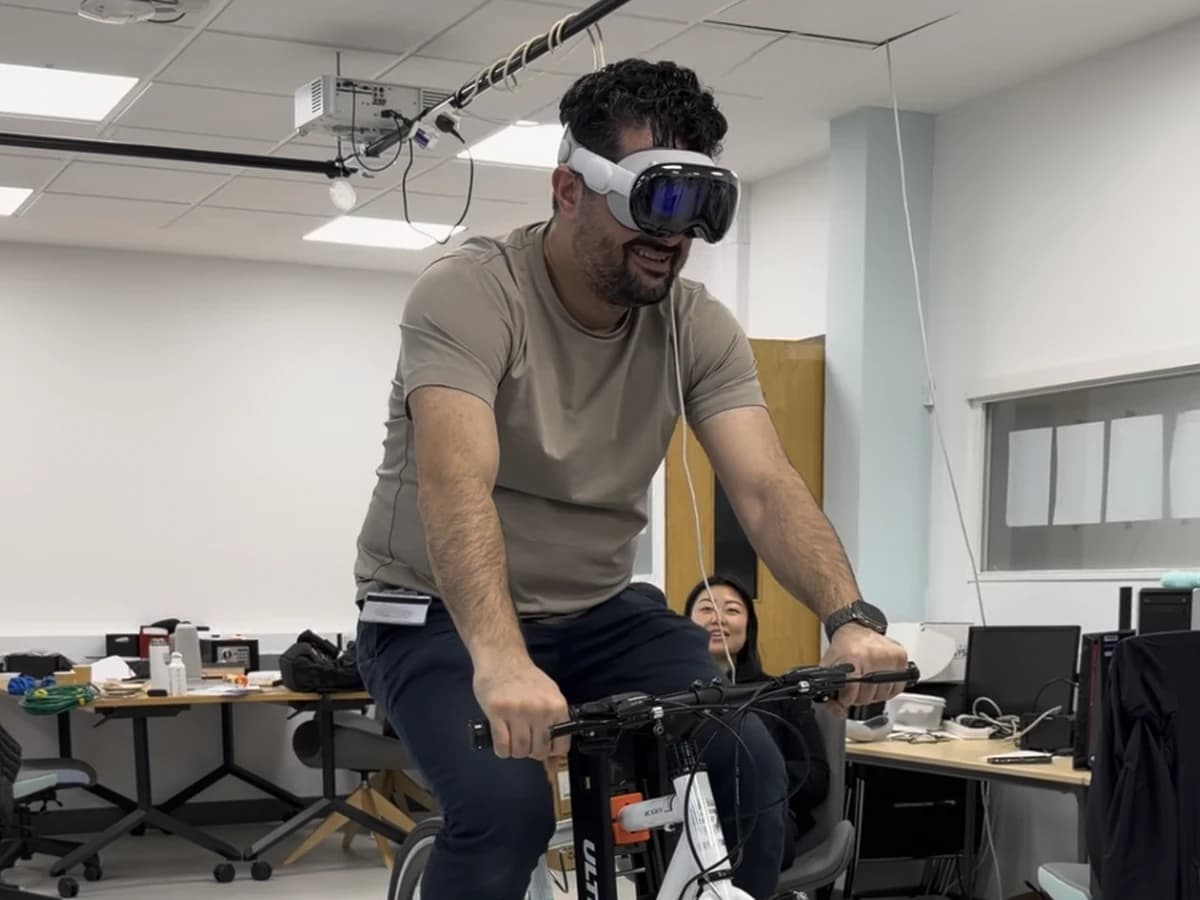
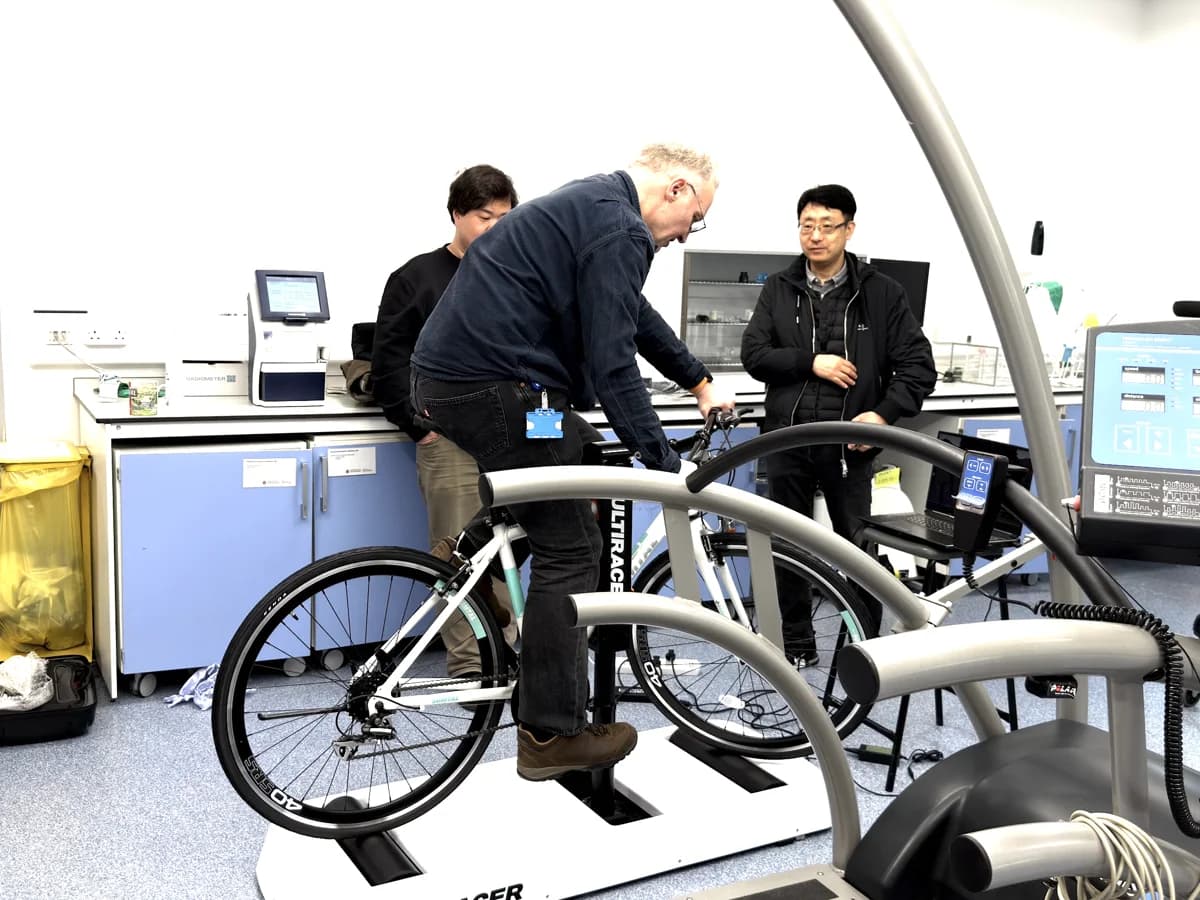
The Ultiracer platform is used in published, peer-reviewed clinical research across neurology, biomechanics, and cardiac rehabilitation.

Published Research Using RDT Technology

These peer-reviewed papers used the Ultiracer platform as their primary research instrument.

Scientific Reports · Nature

Convolutional neural networks-based early Parkinson’s disease classification using cycling data from a steerable indoor bicycle

Kim Y, Kim J, Kang S, Lee Y, Moon J, Kim SJ, Kim BJ et al.

CNN model achieved ~86.1% accuracy in early Parkinson’s disease detection using cycling-derived kinetic and kinematic data from the Ultiracer platform.

29 PD patients and 36 healthy controls. Used two 6-axis force-torque sensors (headset spacer and seat post). Input data: 30 seconds of cycling data (force, moment, speed, lateral movement) plus demographic data.

J. NeuroEngineering & Rehabilitation

Biomechanical analysis of patients with mild Parkinson’s disease during indoor cycling training

Kang S, Park JW, Kim Y, Moon J, Lee Y, Lee CN, Kim J, Kim SJ, Kim BJ

Multivariate logistic model achieved 91.4% accuracy distinguishing PD patients from controls. Cycling speed showed highest discriminatory power (AUC: 0.880), outperforming standard gait velocity measures.

39 PD patients and 42 age-matched healthy controls. Identified distinct biomechanical adaptations: PD patients showed higher handle-saddle coordination (0.47 vs 0.11), lower self-selected speeds (6.49 vs 10.28 km/h).

J. Clinical Medicine · MDPI

Feasibility and Safety of an Outdoor-Simulated Interactive Indoor Cycling Device for Cardiac Rehabilitation: A Pilot Validation Study

Kim BR, Kim YM, Lee JT, Park SB, Shin HS, Jung JS, Kim HJ

No adverse cardiac events were observed. The Ultiracer delivered exercise intensity within the therapeutic range recommended for cardiac rehabilitation in CVD patients.

20 male CVD patients (mean age 56.1). Compared cardiopulmonary responses between treadmill CPET and Ultiracer cycling. Device elicited moderate-to-vigorous intensity exercise.

Enabling Clinical Research

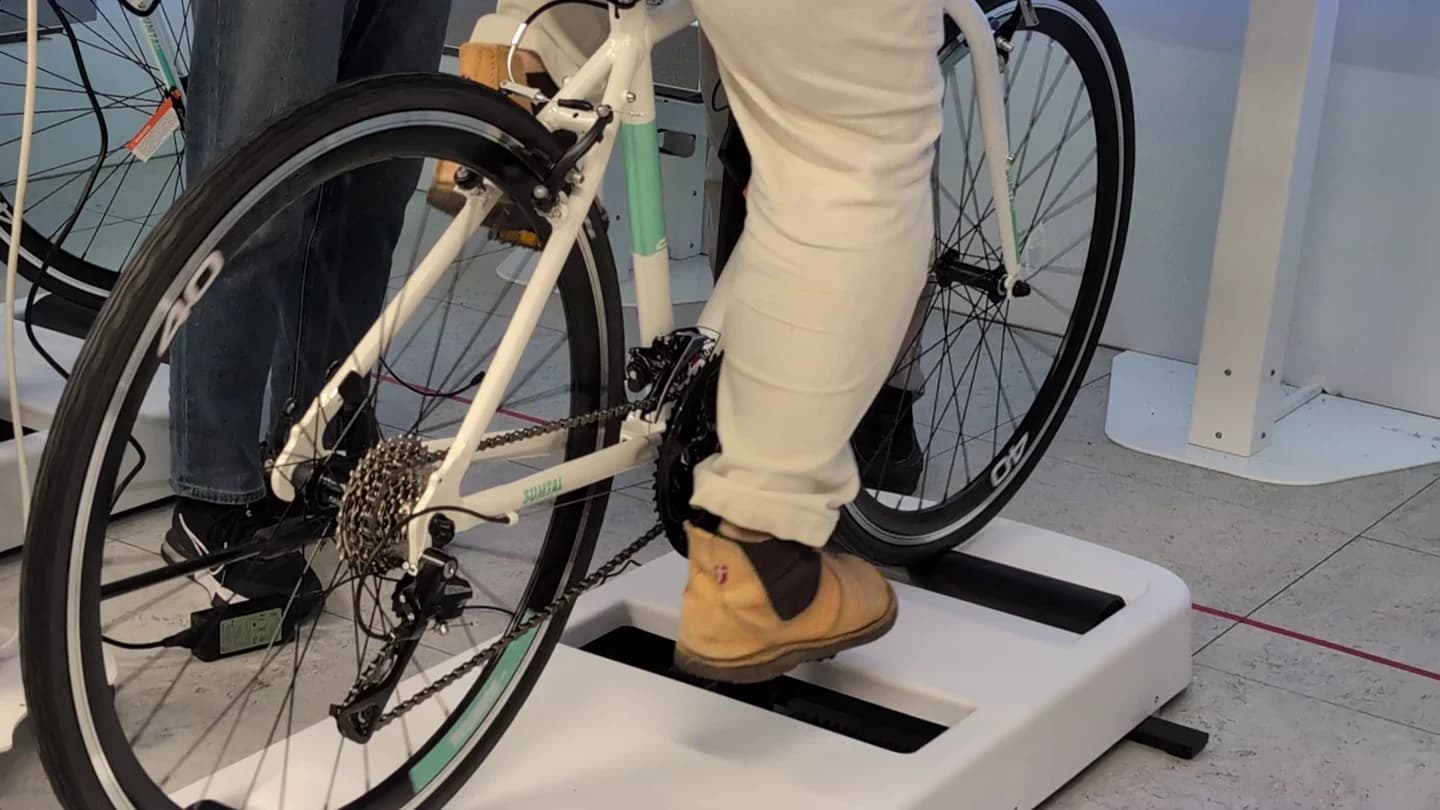
The Ultiracer’s unique combination of lateral movement capability and high-precision sensor data makes it an ideal research instrument. Its integrated high-precision 9-axis motion sensors with internal fusion capture movement and orientation data at 100Hz, enabling researchers to study balance, coordination, and movement patterns with clinical-grade precision.

Neurology

Supporting research into Parkinson’s disease detection and monitoring through cycling biomechanics.

Cardiac Rehabilitation

Validated as a safe and effective exercise modality for cardiovascular disease patients.

Biomechanics

Enabling detailed analysis of balance strategies, force distribution, and movement patterns during cycling.

Research Collaboration

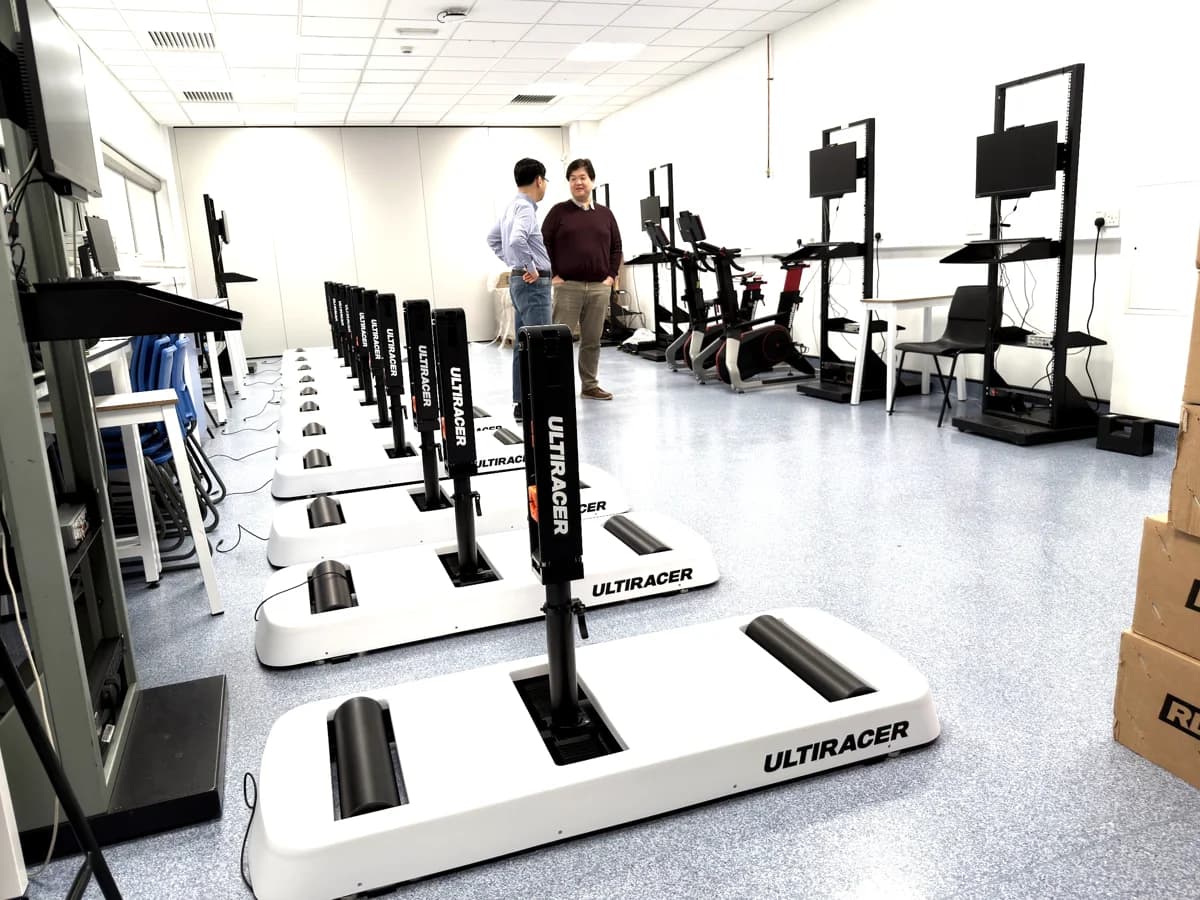
We actively collaborate with leading research institutions. Our platform has been used in studies at Korea University College of Medicine and Korea University Anam Hospital. If you’re interested in using the Ultiracer platform for clinical research, we’d love to hear from you.

Get in Touch
Partner
Korea University College of Medicine
Partner
Korea University Anam Hospital
Publications
3
Peer-reviewed papers
Participants
166+
Research subjects

Explore the Science

Learn more about the scientific foundation of brain-body balance training.