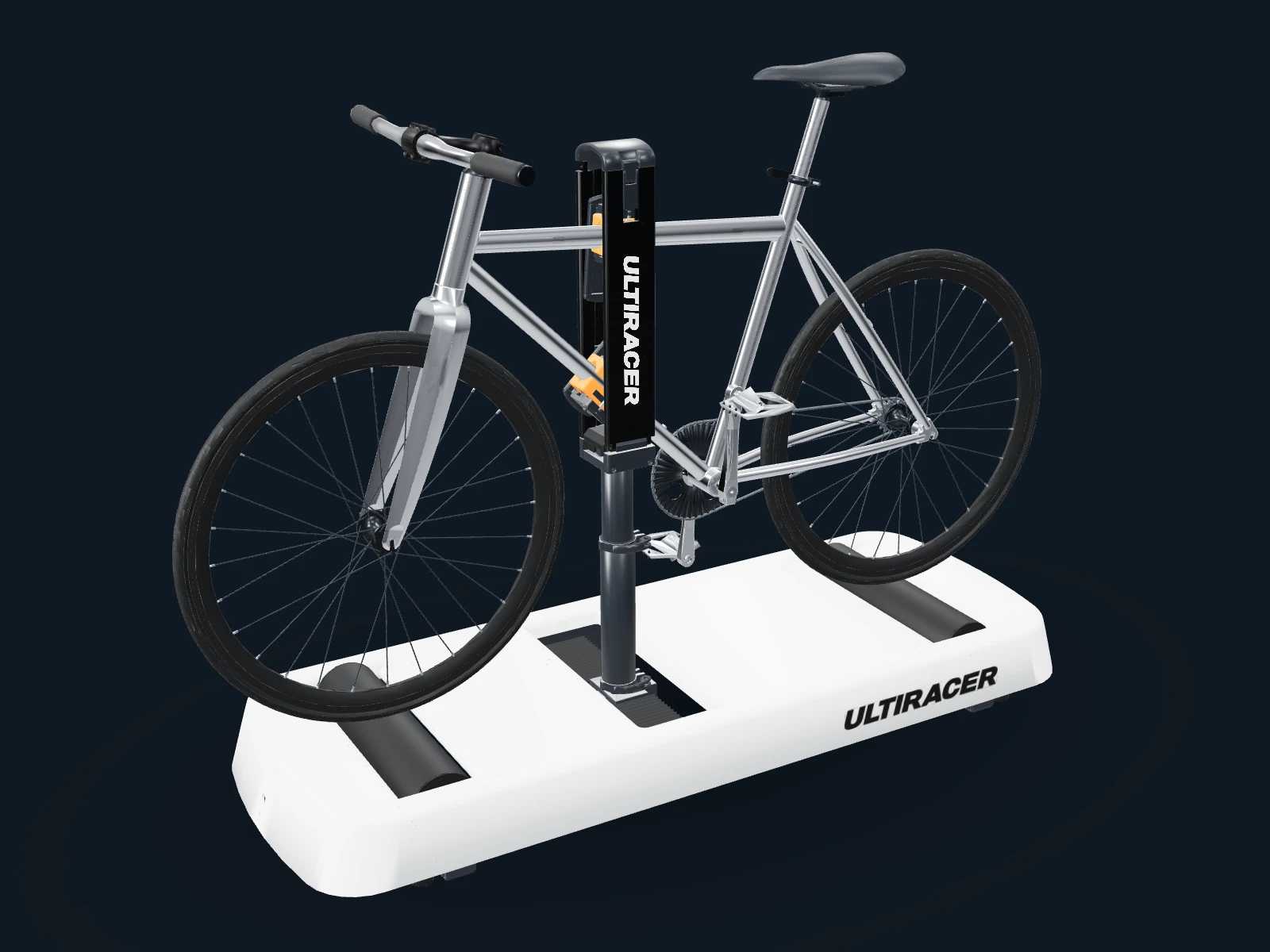
Discover the peer-reviewed research and scientific principles that make Ultiracer's brain-body balance training uniquely effective.
Our platform builds on decades of scientific research linking cycling, balance training, and cognitive health.
Peer-reviewed studies demonstrate that regular cycling improves cognitive function, memory, and neuroplasticity. The combination of cardiovascular exercise and spatial awareness creates unique brain-stimulating benefits.
Research shows that balance training enhances neural connections in the cerebellum and motor cortex. Active balance challenges improve proprioception and spatial awareness more effectively than static exercise.
Aerobic exercise like cycling increases blood flow to the brain, delivering oxygen and nutrients essential for neural health. Studies link regular cycling to reduced cognitive decline and improved executive function.
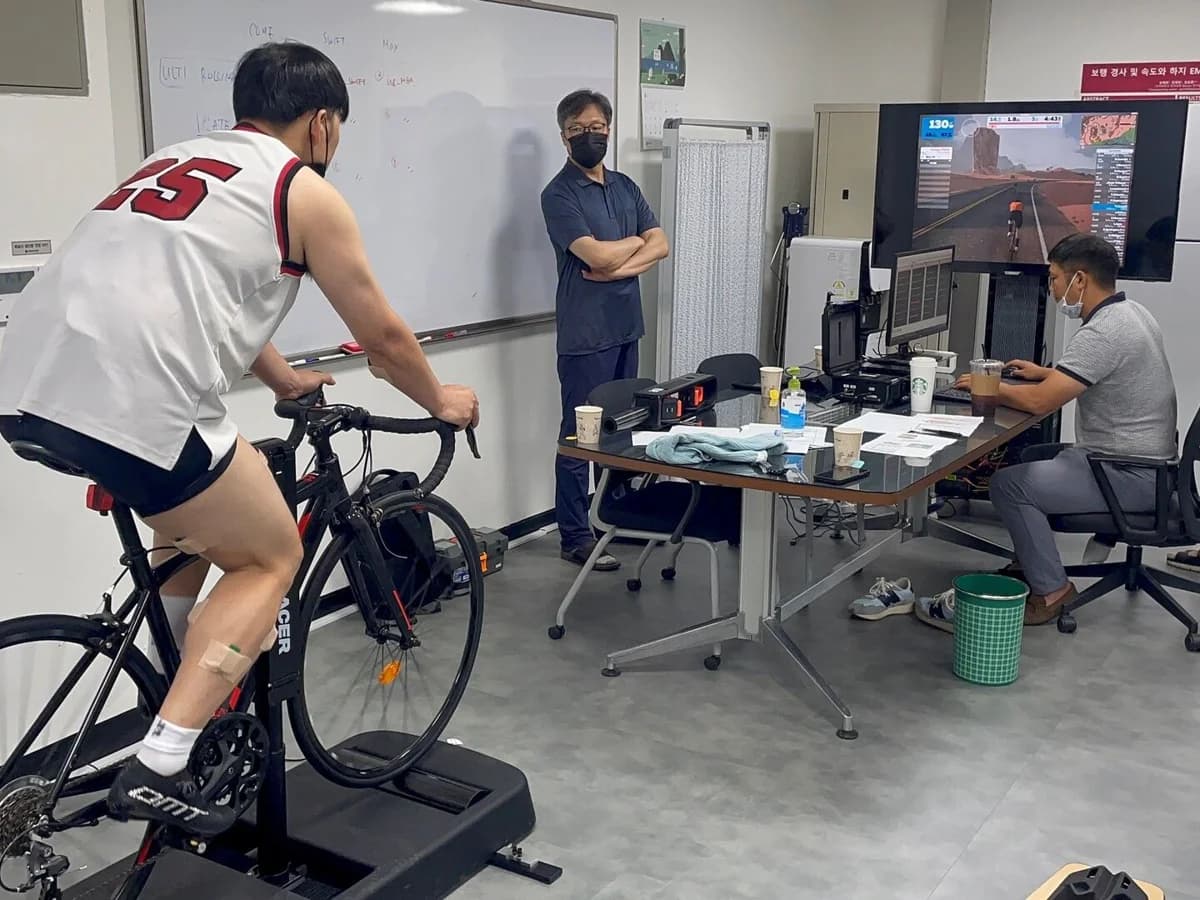
These peer-reviewed papers used the Ultiracer platform as their primary research instrument, demonstrating its value in clinical and rehabilitation research.
Kim Y, Kim J, Kang S, Lee Y, Moon J, Kim SJ, Kim BJ et al.
Key Finding: CNN model achieved approximately 86.1% accuracy (subject-level) in early Parkinson’s disease detection using cycling-derived kinetic and kinematic data. The study used 29 PD patients and 36 healthy controls, with data captured from two 6-axis force-torque sensors mounted in the headset spacer and seat post of the Ultiracer platform.
Kang S, Park JW, Kim Y, Moon J, Lee Y, Lee CN, Kim J, Kim SJ, Kim BJ
Key Finding: A multivariate logistic model achieved 91.4% accuracy in distinguishing PD patients from healthy controls. Cycling speed showed the highest discriminatory power (AUC: 0.880), outperforming standard gait velocity measures. PD patients showed higher handle-saddle coordination (0.47 vs 0.11) and lower self-selected speeds (6.49 vs 10.28 km/h).
Kim BR, Kim YM, Lee JT, Park SB, Shin HS, Jung JS, Kim HJ
Key Finding: No significant adverse cardiac events were observed during cycling. The Ultiracer delivered exercise intensity within the therapeutic range recommended for cardiac rehabilitation in 20 CVD patients (mean age 56.1 years). The device was validated as a safe and effective alternative exercise modality for cardiac rehabilitation.
Understanding the mechanisms behind left-right position tracking and active balance engagement.
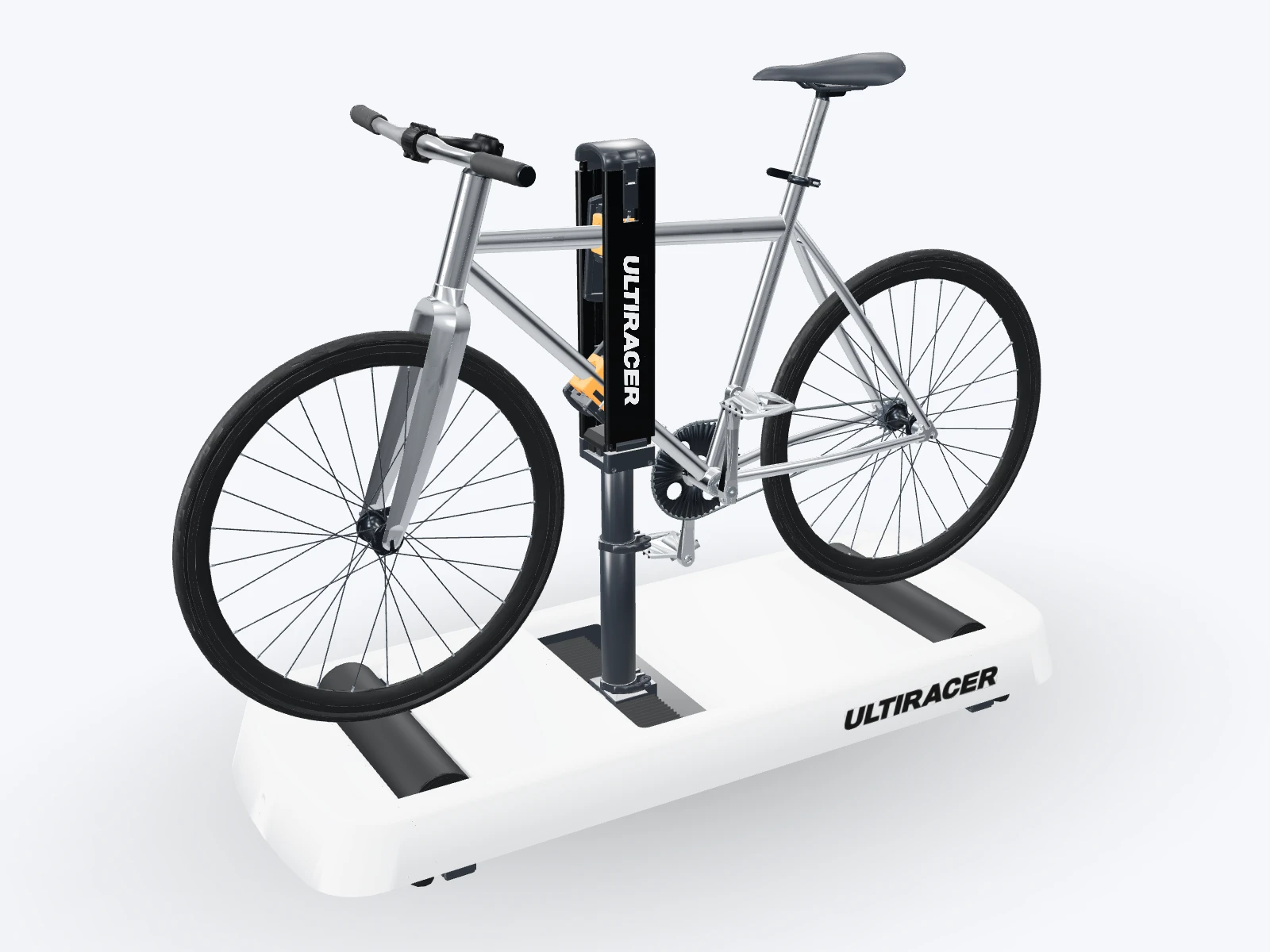
Our system captures lateral movement patterns at high frequency, revealing balance asymmetries that traditional bikes cannot detect. This real-time feedback helps identify and correct imbalances.
Unlike fixed handlebars, active steering requires constant micro-adjustments that engage core stabilizers and enhance neuromuscular coordination.
Managing balance while cycling recruits brain regions responsible for spatial processing, body awareness, and motor planning.
Coordinating pedaling, steering, and balance simultaneously provides cognitive challenge that promotes neural plasticity and executive function.
Research demonstrates that the unique combination of cardiovascular exercise, balance challenges, and spatial navigation provides exceptional cognitive benefits.
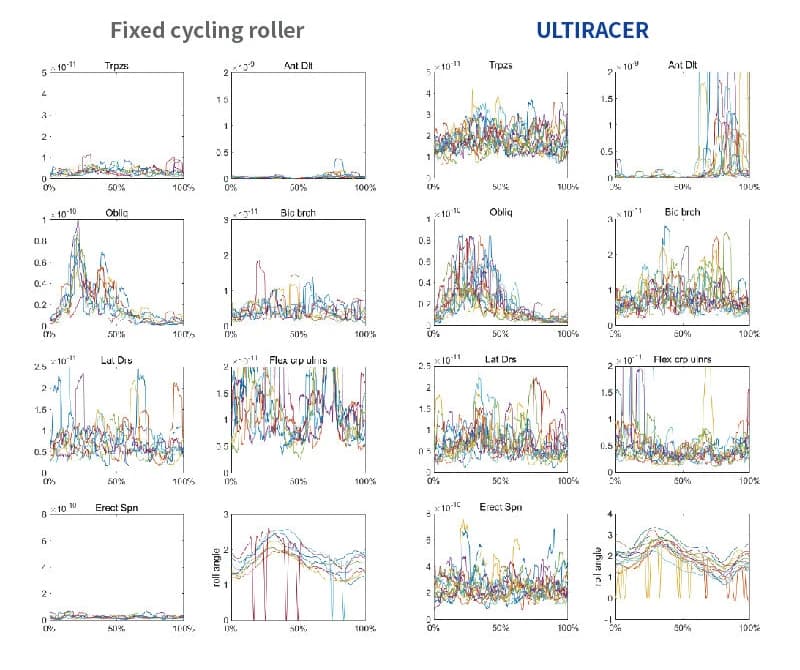
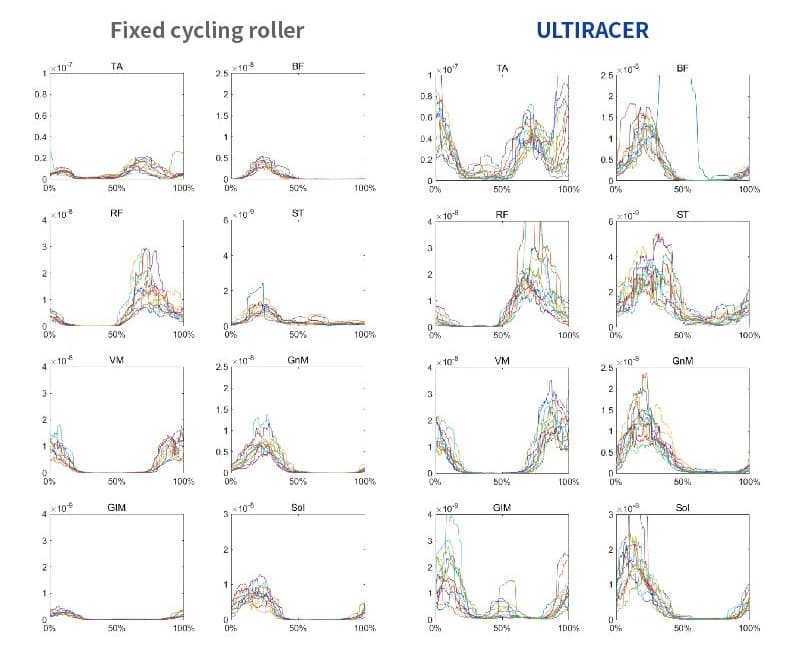
Active balance and steering requirements engage muscle groups that traditional stationary bikes cannot activate.
Obliques, transverse abdominis, and erector spinae engage continuously to maintain lateral stability
Quadriceps, hamstrings, glutes, and calves work in dynamic patterns with balance corrections
Shoulders, arms, and back muscles activate for steering control and postural support
Deep stabilizer muscles throughout the body fire to manage micro-movements and balance shifts
Unlike fixed bikes, Ultiracer's lateral movement capabilities continuously challenge core stabilizers. This constant engagement strengthens deep core muscles (transverse abdominis, multifidus, obliques) that are critical for balance, posture, and injury prevention in daily life.
The RDT platform is not a medical device and is not intended to diagnose, treat, cure, or prevent any disease. The information presented here is based on peer-reviewed scientific research about cycling, balance training, and brain health in general. We do not make therapeutic claims. Individual results may vary. Always consult with your healthcare provider before beginning any new exercise program, especially if you have existing health conditions or concerns.
Join the Neurocycleans and discover the cognitive and physical benefits of brain-body balance training.